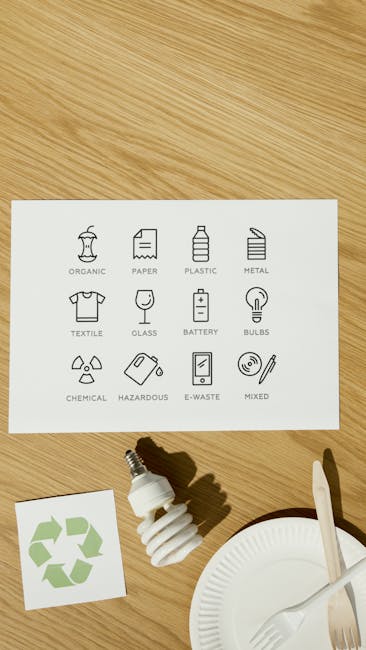
SW4 guide to local recycling centres on Abbeville Road
If you live in SW4 and you are trying to work out what to do with old furniture, broken household items, garden cuttings, or a pile of mixed recyclables, this guide is for you. The stretch around Abbeville Road sits close to everyday London life: busy pavements, flats with limited storage, shared bins, and the constant question of where things should go next. A practical SW4 guide to local recycling centres on Abbeville Road should make that decision easier, not more confusing.
Below, you will find a clear, locally minded explanation of how recycling centres, reuse options, and waste services fit together. We will cover what belongs where, how to prepare items, which mistakes cause problems, and how to choose the most sensible route for bulky waste or hard-to-recycle materials. If you want to pair local recycling with a broader clearance plan, you may also find our guide to recycling and sustainability useful, especially when you are trying to reduce what ends up in general waste.
Practical takeaway: the best recycling choice is usually the one that saves you time, keeps you compliant, and gives items the highest sensible chance of reuse or recovery. That sounds simple enough, but in a real SW4 flat, simple is often the whole game.
Table of Contents
- Why SW4 guide to local recycling centres on Abbeville Road Matters
- How SW4 guide to local recycling centres on Abbeville Road Works
- Key Benefits and Practical Advantages
- Who This Is For and When It Makes Sense
- Step-by-Step Guidance
- Expert Tips for Better Results
- Common Mistakes to Avoid
- Tools, Resources and Recommendations
- Law, Compliance, Standards, or Best Practice
- Options, Methods, or Comparison Table
- Case Study or Real-World Example
- Practical Checklist
- Conclusion
- Frequently Asked Questions
Why SW4 guide to local recycling centres on Abbeville Road Matters
Local recycling centres matter because they sit at the point where convenience, legality, and environmental responsibility meet. In SW4, a lot of households and small businesses deal with space constraints. You may have a cellar, a spare room, or a tiny storage cupboard, but not much else. Old electronics, dismantled furniture, paint tins, cardboard, and mixed plastics can build up quickly.
On streets around Abbeville Road, people often face the same three pressures at once:
- they want to dispose of waste quickly;
- they want to avoid filling household bins with the wrong materials;
- they want a route that feels responsible rather than wasteful.
That is why understanding local recycling centres is so helpful. It stops you from making the classic mistake of treating every unwanted item as rubbish. Some things can be reused. Some need separate recycling. Some require special handling. And some, to be fair, are better dealt with through a professional clearance service than through a DIY trip across town.
There is also a wider trust issue. People do not always know whether a centre accepts a particular material, or whether the item has to be sorted before arrival. A clear guide saves time and reduces the risk of a wasted journey. If you are comparing options for larger clearances, it is worth looking at services such as waste removal or the more tailored house clearance route when the job is too big for a standard drop-off.
In practice, local recycling is not just about disposal. It is about using the right channel for the right material, so the item has the best possible next life. That is the real value here.
How SW4 guide to local recycling centres on Abbeville Road Works
The process usually starts with sorting. Before you move anything, separate the items into broad groups: metal, wood, cardboard, electricals, textiles, green waste, general rubbish, and anything that may be hazardous. This is the point where many people either save themselves time or create a headache for later. A mixed boot load can seem efficient at home, but at the recycling point it often becomes a queue of questions.
Next, check what the centre or service actually accepts. Most local facilities work by material category, not by the way you happen to have packed the load. A broken chair, a flat-pack box, and an old lamp may all travel together in your car, but they do not all belong in the same stream.
Then think about access. Abbeville Road is not a place where you want to improvise a loading plan at the last minute. Parking, time limits, and carrying heavy items matter. If your item is awkward, bulky, or dirty, you may be better off using a collection-based solution instead of trying to manhandle it into a hatchback at a busy time of day. For heavier domestic loads, services such as furniture disposal or furniture clearance can be the more practical route.
Finally, decide whether the item should be recycled, reused, or removed as waste. That judgement is not always obvious. A wardrobe with a salvageable structure may be suitable for reuse or dismantling. A water-damaged one may not. The same goes for office equipment, bathroom fittings, and garden materials. A useful rule is simple: if an item still has value in use, do not send it to the hardest route first.
Where professional support is involved, reputable operators should work with transparent handling, appropriate segregation, and sensible safety procedures. If you are assessing a provider, look for clear service information such as health and safety information and insurance and safety details. Those pages do not move the waste for you, but they do tell you a lot about how a company works.
Key Benefits and Practical Advantages
Using local recycling centres or a structured clearance option brings several real-world benefits. These are not abstract environmental talking points; they are practical advantages you will notice almost immediately.
- Less clutter at home: items leave the hallway, under-stairs cupboard, or shed before they become permanent residents.
- Better sorting: proper segregation gives recyclable materials a better chance of being recovered.
- Fewer mistakes: you avoid putting the wrong material in the wrong place and facing rejection at the gate.
- Time savings: a focused plan is faster than several unpredictable trips.
- Safer handling: awkward, sharp, or heavy items are less likely to cause injury when managed correctly.
- Cleaner living space: this is the obvious one, but it matters. Homes and flats feel calmer when waste is dealt with promptly.
There is also a planning advantage. Once you understand what can go to a centre and what needs a separate collection, you can group tasks intelligently. For example, you may book a loft sort-out, remove unwanted furniture, and recycle the smaller items yourself. That is often more efficient than doing everything in one rushed sweep.
For households with regular overflow issues, a combination of local drop-off and occasional specialist help can work well. If your project includes rooms that have built up more than just recycling, a broader home clearance approach may give you the cleanest reset.
Expert summary: the smartest recycling plan is rarely the one with the most effort. It is the one that matches the material, the access, and the scale of the job.
Who This Is For and When It Makes Sense
This guide is most useful for anyone in or around SW4 who needs a realistic way to deal with waste without overcomplicating the job. That includes:
- tenants clearing out a flat before moving out;
- homeowners dealing with old furniture or renovation leftovers;
- landlords between tenancies;
- small businesses with periodic waste build-up;
- people clearing a shed, garage, or loft;
- anyone trying to sort recyclables properly before they become mixed waste.
It makes particular sense when you have one of the following situations:
- a small number of items that are straightforward to sort and transport;
- mixed materials that need separating before disposal;
- items that are too large for ordinary household bins;
- things you would rather recycle than throw away.
It may make less sense if you are dealing with a large volume, limited vehicle access, or an item that needs careful manual handling. In those cases, a collection service may be the calmer option. For example, after a long-deferred sort-out, many people find that flat clearance or garage clearance saves time and avoids multiple journeys.
The simple test is this: if the job feels like it will take you a full weekend and a borrowed favour from a friend with a larger car, it may already have outgrown the recycling-centre plan.
Step-by-Step Guidance
Here is a practical way to handle recycling around Abbeville Road without wasting effort.
- Identify the item type. Decide whether it is recyclable, reusable, hazardous, electrical, or general waste.
- Separate materials. Remove obvious contamination such as food residue, soil, or mixed packaging where possible.
- Check local acceptance rules. Different centres and services may accept different materials, so verify before you load the car.
- Measure the size and weight. Large or heavy items may need two people or professional collection.
- Pack safely. Use gloves, tape sharp edges, and keep loose items secure in transit.
- Plan the route and timing. Busy roads, parking restrictions, and school-run traffic can turn a simple errand into a long one.
- Choose the best disposal route. Centre drop-off, reuse, or collection should be chosen according to the item and your access.
A small example helps. Suppose you have an old desk, a broken printer, three bags of cardboard, and a chair with a snapped leg. The cardboard is straightforward. The printer may need e-waste handling. The desk may be suitable for reuse if it is in decent shape, or furniture disposal if it is beyond repair. The chair may be recyclable only if separated into parts and accepted by the facility. One household can create four different disposal paths from what initially looks like one pile.
That is why sorting first matters so much. It turns a vague problem into a sequence of smaller decisions.
Expert Tips for Better Results
Good recycling is often about the details. A few habits can make the process much smoother.
- Break down bulky items early. Disassembly reduces space and often makes sorting easier.
- Keep fixtures and fittings separate. Screws, brackets, and mixed materials can complicate recycling streams.
- Avoid contamination. A single dirty container can reduce the value of an otherwise good batch of recyclables.
- Use the right bag or box. Clear, sturdy containers make your load easier to check and handle.
- Keep paperwork if relevant. This matters more for business or larger clearances than for a simple household drop-off.
- Think about reuse first. If something can be passed on, sold, or donated, that may be preferable to recycling or disposal.
One thing people often overlook is sequencing. If you are doing a clear-out, remove the items you definitely want to keep before you start sorting waste. It sounds obvious, but rushed room clearances have a habit of swallowing chargers, photo frames, and useful tools. Truth be told, we have all seen the "keep" pile migrate into the "maybe" pile if nobody is paying attention.
For repeat waste or mixed household loads, it can help to have a standing plan for different categories. Use one box for cardboard, one for mixed small metal items, one for donation-ready goods, and one for items that need special handling. That small system saves a surprising amount of time.
Common Mistakes to Avoid
Most problems with recycling centres and local waste handling come from avoidable mistakes. The good news is that they are easy to fix once you know what to watch for.
- Turning up with mixed waste and no sorting. This slows everything down and may lead to rejection.
- Assuming every centre accepts the same items. That is rarely true.
- Forgetting about hazardous materials. Paint, chemicals, batteries, and certain electrical items need special care.
- Underestimating the size of bulky items. A sofa that looked manageable from the lounge can be awkward at the kerb.
- Not planning parking or access. A simple drop-off can become stressful if you have nowhere to stop.
- Mixing reusable items with rubbish. Once damaged or contaminated, reuse options can disappear.
Another common mistake is overfilling a vehicle. This is where people save one trip and create three problems. Items shift in transit, lift awkwardly, and may be harder to unload safely. If something feels unstable, it probably is.
When in doubt, ask yourself whether the item is ready for disposal or whether it still needs sorting, cleaning, or dismantling. A few extra minutes at home usually beat a wasted journey across town.
Tools, Resources and Recommendations
You do not need a lot of equipment to manage local recycling well, but a few basic tools help enormously.
- Heavy-duty gloves: useful for sharp edges, splinters, and dirty surfaces.
- Strong bags or crates: better than thin bags that split halfway to the car.
- Masking tape or ties: good for securing loose components.
- Screwdriver or basic tool kit: handy if you are dismantling furniture or removing parts for sorting.
- Protective footwear: sensible when moving heavy or awkward loads.
- Labels or markers: helpful if multiple people are sorting items at once.
For trusted information, start with the service pages that explain how a provider handles waste streams and customer support. Pages such as pricing and quotes can help you understand cost expectations, while contact and enquiry options are useful if you need a practical answer before deciding how to proceed.
If your clearance includes business items, keep an eye on specialist routes such as business waste removal and office clearance. Commercial waste often has different handling needs from household waste, and mixing the two can complicate the job.
For sustainability-focused planning, the best resource is often a simple one: a written list of items, their material type, and the most appropriate route for each. It is not glamorous, but it works. Sometimes the most effective tool is a pen and a mug of tea.
Law, Compliance, Standards, or Best Practice
When dealing with recycling and waste, the most sensible approach is to follow local rules, check acceptance criteria, and use properly authorised services where needed. Exact requirements can vary depending on the material, the location, and whether the waste is household or commercial.
In broad terms, best practice means:
- separating waste responsibly;
- not leaving items where they obstruct pavements or shared access areas;
- handling hazardous materials carefully;
- using services that are clear about their policies and procedures;
- keeping an eye on safety when lifting or dismantling bulky objects.
If you are using a clearance provider, it is reasonable to review their public policies before booking. Pages such as terms and conditions and health and safety policy help set expectations, while insurance and safety information shows whether the company takes handling seriously.
For business customers or landlords, documentation can matter more than it does for a one-off household drop-off. If you need a provider with a broader service structure, it is sensible to understand how they manage recycling, transport, and disposal before committing. The right question is not only "can they take it?" but "will they take it responsibly?"
Options, Methods, or Comparison Table
There are usually three practical ways to deal with unwanted items near Abbeville Road: take them to a recycling centre, book a collection, or prepare them for reuse. The best choice depends on time, item type, and access.
| Option | Best for | Strengths | Limitations |
|---|---|---|---|
| Recycling centre drop-off | Sorted recyclables, small loads, DIY clearance | Direct control, good for simple jobs, often efficient for one-off trips | Requires transport, sorting, and time |
| Collection service | Bulky, heavy, or mixed items | Less lifting, saves journey time, better for awkward access | May cost more than self-drop-off |
| Reuse or donation | Good-quality furniture, working equipment, usable household goods | Extends item life, often most sustainable, reduces waste | Items must be clean and suitable for a new user |
If your item is bulky but still in good condition, reuse should be considered first. If it is damaged but salvageable, a targeted furniture clearance or loft clearance can help you separate what should be kept, recycled, or removed altogether. And if you are dealing with a full-property reset, the more comprehensive house clearance route may be the cleanest solution.
Case Study or Real-World Example
Consider a typical SW4 scenario. A family in a flat near Abbeville Road has recently replaced a sofa, cleaned out a utility cupboard, and sorted through a stack of old cables, cardboard, and a damaged bedside table. At first glance, it all looks like one weekend's worth of "stuff to get rid of."
They start by separating the pile:
- cardboard packaging is flattened and kept dry;
- the sofa is checked for donation or reuse potential;
- the bedside table is assessed for dismantling;
- electronics and cables are grouped separately;
- small mixed items are bagged and labelled.
They then realise the sofa is too large for a basic car trip and the table is better removed as furniture waste than cut up on the pavement. Instead of forcing everything into one journey, they choose a split approach: smaller recyclables go via a local drop-off plan, while the bulky pieces are handled through a clearance service. In practical terms, that saves time, avoids damage, and removes the risk of loading a cramped vehicle with awkward items.
This is exactly how a good recycling strategy should feel: flexible, tidy, and proportionate to the job. No drama. No second-guessing. Just a clean finish.
Practical Checklist
Use this checklist before you head out or book a collection.
- Have I sorted items by material or disposal route?
- Is anything reusable, donatable, or repairable?
- Have I checked what the recycling point accepts?
- Do I have gloves, sturdy bags, and basic tools if needed?
- Is anything hazardous, sharp, or electrically risky?
- Have I planned parking, loading, and timing?
- Would a collection service be more suitable for bulky items?
- Have I kept business waste separate from household waste?
- Are the items clean enough for recycling or reuse?
- Do I know who to contact if I need a quote or further guidance?
If you can answer yes to most of those points, you are probably ready to go.
Conclusion
A good local recycling plan in SW4 is not about doing everything yourself. It is about choosing the most sensible route for each item, whether that is a recycling centre, a reuse option, or a professional clearance service. Around Abbeville Road, where storage is tight and access can be inconvenient, that judgment matters even more.
Start with sorting. Check what is accepted. Keep safety in mind. And do not let bulky or mixed items sit around simply because they feel awkward. Once you break the job into smaller decisions, it becomes far easier to manage.
If you are planning a larger clearance, comparing options early can save a lot of time later. For trusted service details, take a look at our about us page and the wider recycling and sustainability information to see how a professional approach can support a cleaner, simpler result.
Get a free quote today and see how much you can save.
Frequently Asked Questions
What can I usually take to a local recycling centre near Abbeville Road?
Common items include cardboard, glass, metals, some plastics, small electricals, textiles, and garden waste, but acceptance varies. Always check before you travel so you do not arrive with something the site cannot take.
Do I need to sort items before I go?
Yes, sorting is one of the best ways to save time and reduce the chance of rejection. Separate recyclables, reusable items, general waste, and anything hazardous before you load the car.
Is it better to recycle or book a collection for bulky items?
If the item is large, heavy, awkward, or difficult to transport safely, a collection is often the better option. Recycling centre drop-off works best for manageable loads and clearly sorted materials.
Can old furniture be recycled?
Sometimes, yes. It depends on the item's condition, materials, and whether it can be dismantled or reused. If it is still in good shape, reuse should be considered first. Otherwise, furniture disposal may be the most practical route.
What should I do with broken electrical items?
Broken electricals usually need separate handling rather than general waste. Keep cables, batteries, and plug-in items together only if the receiving centre accepts them in that form.
What if I only have a small mixed load?
A small mixed load is often ideal for a recycling-centre visit, provided the items are separated enough to be accepted. If the load includes awkward or dirty items, a collection service may still be easier.
How do I know whether something is reusable?
Ask whether another person could realistically use it without major repair. If the answer is yes, donation, resale, or reuse is worth considering before recycling or disposal.
Are there safety issues with handling old household waste?
There can be. Sharp edges, dust, broken glass, heavy lifting, and hidden contamination all create risk. Wear gloves, lift carefully, and do not force yourself to move items that need two people.
Is it okay to leave waste outside for collection?
Only if the collection has been arranged and the items are placed according to the provider's instructions. Leaving waste out ad hoc can create obstruction, safety issues, or complaints from neighbours.
How can I reduce what ends up in general waste?
Sort items earlier, reuse what you can, flatten packaging, and separate materials properly. It also helps to use a provider or route that supports recycling rather than relying on one general bin at the end.
What if I need to clear an entire property rather than a few items?
For larger jobs, a dedicated clearance service is usually more efficient than multiple recycling trips. Services such as home clearance or office clearance can handle mixed loads more smoothly.
How do I choose a trustworthy waste provider?
Look for clear service information, safety guidance, transparent pricing, and accessible contact details. Pages like pricing and quotes, health and safety policy, and contact us are good signs that the business is organised and accountable.