Office Clearance in Clapham
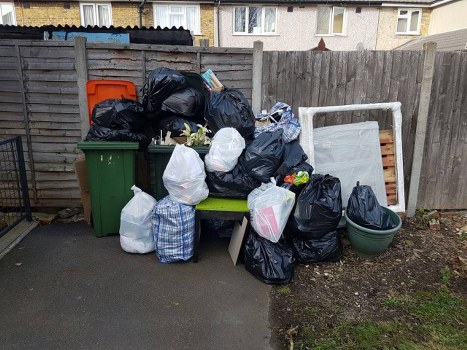
Office clearance in Clapham should be straightforward, organised and respectful of your workspace, and that is the standard we aim to support through our commercial clearance service. Whether you are clearing a single room, an entire floor or a set of stored items, the work needs a practical plan, safe handling and a tidy finish. We help with removing office furniture, mixed contents and general non-hazardous waste so that the space can be handed back, refitted or re-used without unnecessary disruption.
Our approach is built around clear communication and careful sorting. Typical office clearance work can include desks, chairs, filing cabinets, shelving, small storage units, boxed materials and general office clutter. Where suitable, items may be separated for reuse, recycling or disposal depending on their condition and the type of materials involved. If you are comparing clearance options, keep the scope in mind: some projects need a broad empty-out, while others need selective removal around items that are staying in place.
For larger or more involved clearances, it helps to identify what must remain on site, what can be taken away and whether access is limited by stairs, narrow corridors or shared entrances. A sensible brief saves time later and makes the job easier to organise. You can request a quotation once you have a clear idea of the items involved, or simply start by outlining the workspace and the kind of clearance you need.
Practical office clearance services
We handle office clearance as a working process rather than a one-size-fits-all removal. In many cases, the task includes dismantling light office furniture, lifting items safely from upper floors and removing mixed contents in a sequence that keeps routes clear. The aim is to leave the space ready for the next stage, whether that means decorating, reinstating services, handing the unit back to a landlord or preparing for new equipment.
Because offices often contain a mix of materials, sorting is usually part of the job. Paper, cardboard, metal shelving, timber desks, plastics and upholstered items may all need different handling. Some jobs also include archived paperwork, though sensitive records require careful pre-planning and should be separated before removal begins. If you want a simpler start, send over the broad details and we can help shape the clearance around the main items and access points. Speak to us if you would like the scope reviewed before you decide what needs to go.
Common office items we are often asked to clear include:
- desks, office chairs and meeting tables
- storage units, filing cabinets and shelving
- mixed equipment casings and redundant office contents
- cardboard, packaging and non-hazardous general waste
- bulky items that are awkward to move through shared access areas
Furniture removal and internal clear-outs

Office clearance often begins with the items that take up the most room. Furniture removal can involve taking away a few redundant pieces, or clearing almost everything from a room before a refit. The right sequence matters: heavy items should usually be removed first, and anything fragile, fixed or still in use needs to be protected or left alone. This is especially important where the office is active and only a section of the premises is being cleared.
We also clear items from back rooms, meeting areas and storage areas where furniture tends to accumulate over time. In those spaces, it is rarely just one category of item. You might have a combination of tables, cabinets, packaging, unused stands, display fittings and miscellaneous contents. A well-planned clearance helps avoid repeated handling, which is useful when access is tight or the building has shared corridors, lifts or loading restrictions. If the project needs more than simple uplift, it is worth treating it as a structured emptying job rather than an ad hoc collection.
Choose the simplest route for the space you have. If you only need certain items removed, keep the rest clearly separate. If you need a full clearance, make that clear from the start so the work can be organised around the actual volume. That is often the difference between a rushed collection and a tidy, practical finish.
Waste handling, sorting and disposal
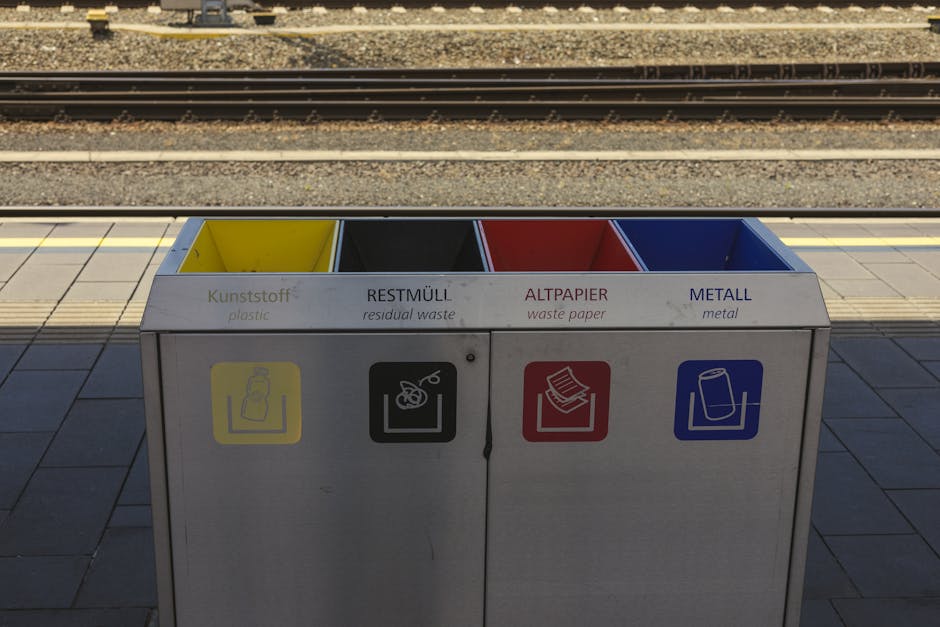
Office clearances usually produce more than furniture alone. There may be loose office waste, packing materials, obsolete supplies and mixed contents that have to be sorted before disposal. We approach that work with an eye on practical separation, so recyclable materials are not treated the same way as bulky residual waste. The exact handling depends on the make-up of the load and the site conditions, but the principle is always the same: remove what needs removing and keep the flow organised.
Where a project contains mixed waste, the most useful preparation is often simply a clear breakdown of what is in the space. That can include whether items are reusable, broken, dirty, or still in working condition. It also helps to know if there are materials that need special care, such as electronics, batteries or confidential paperwork that should not be mixed with ordinary waste. Good clearance planning is less about formality and more about avoiding delays or avoidable separation work on the day.
Our business waste removal pages may also be useful if your requirements extend beyond one office room or involve regular commercial waste. For one-off clearances, the focus is usually on completing the removal safely, minimising unnecessary disturbance and leaving the space ready for whatever comes next. The cleaner the brief, the more accurately the job can be matched to the items on site.
Preparing an office clearance
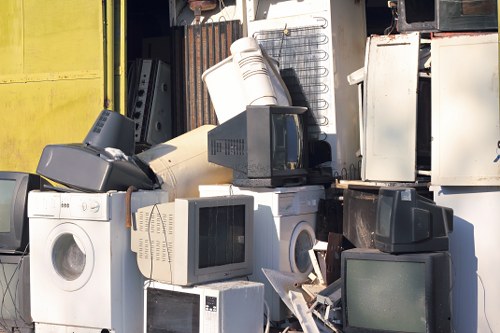
Most office clearances go more smoothly when a few practical points are settled in advance. It helps to know which rooms are being emptied, whether anything is staying, and whether there are items that need to be separated before the team arrives. Photographs can also be useful, not because they replace a proper scope, but because they help show the scale of the job and the type of access available. This is especially helpful where the workspace includes multiple rooms or storage areas.
It is also worth checking access details before the clearance starts. For example, if there is no easy parking nearby, shared entry systems, lift restrictions or time-limited access windows, those points can affect the order of work. Where possible, remove personal belongings and isolate any equipment that will stay behind. That leaves the clearance focused on the items that are genuinely ready to go. If you need guidance on how to present the space, keep it simple: identify the rooms, list the main items and say whether the clearance is partial or complete.
You can also use this stage to think about how the clearance should be approached. Some customers want all contents removed in a single visit, while others want the job broken into sections so business activity can continue nearby. Neither approach is better in every case; it depends on the layout, the amount of furniture and how quickly the space needs to be turned around. Request a quotation once those basics are clear and you will usually get a more accurate scope.
Household-style and small premises clearances
Office clearance is not always limited to a standard corporate suite. Smaller premises, shared workspaces and converted rooms can contain a mixture of office furniture and household-style items. In those cases, the job may overlap with flat or home clearance, especially where the space has been used for admin, storage or light business activity rather than a conventional open-plan office. The important thing is to match the clearance to the actual contents, not the label on the building.
We can also help when a workspace includes miscellaneous belongings that have gathered over time. That might involve mixed shelving, old presentation materials, filing units, decorative items or spare equipment that no longer serves a purpose. A focused clearance avoids removing items that still have a use, which matters if the room is being repurposed rather than emptied permanently. Keep what stays clearly separate and the rest becomes easier to deal with.
For customers managing smaller jobs, the value is often in an orderly, predictable process. Even a limited clearance benefits from proper lifting, sorting and removal, especially where access is awkward or the items are bulky. If you are unsure whether your premises need an office clearance or a more general contents removal, describe the space and the contents together. That gives a better basis for deciding the right approach.
About Clapham
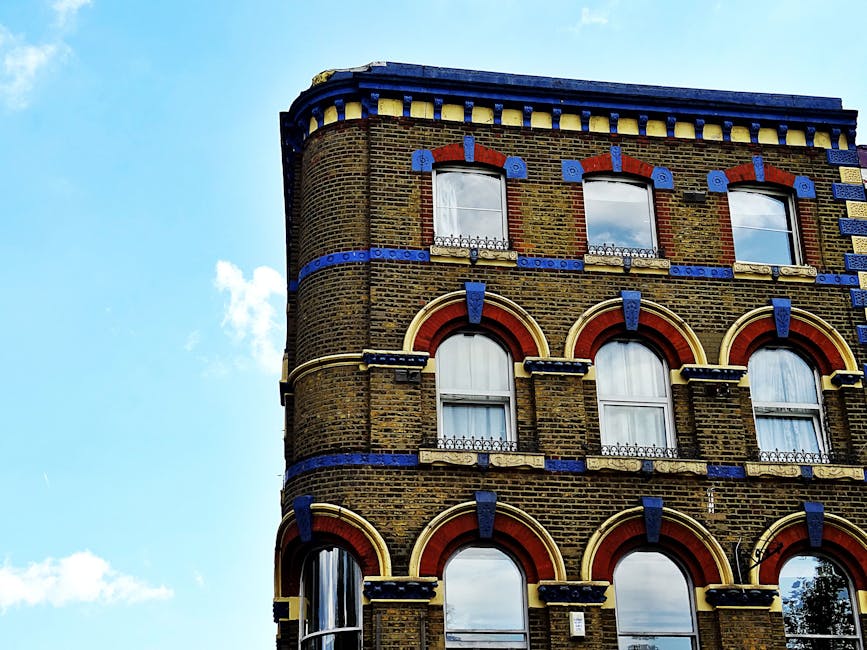
Clapham in south London is a district with a long history and a strong sense of place, shaped by transport links, open spaces and varied residential streets. At its heart is Clapham Common, a large open area whose broad grassland, ponds and tree-lined paths provide a major public landscape within the urban setting. The Common has long been one of the area’s defining features, offering room for recreation while also acting as a visual contrast to the surrounding terraces and busy roads. The district is generally associated with the London Borough of Lambeth, although parts of the wider Clapham area extend into neighbouring boroughs, which reflects the way historic place names often sit across modern administrative boundaries.
Furniture clearance and equipment removal

Some office clearance projects are driven by the need to remove redundant furniture and equipment together. That can include the practical disposal of desks, chairs, cabinets and support items that are no longer needed after a move, redesign or lease change. If the workspace contains items of different sizes, the clearance should be planned in a sensible order, with bulky pieces removed first and smaller mixed contents dealt with once the main routes are clear. This keeps the job more controlled and helps avoid unnecessary handling.
Where furniture is still usable, customers sometimes prefer to separate it from damaged or worn-out items before the clearance begins. That is a sensible step because it makes the load easier to assess and supports better sorting. We can work with the items as they stand, but the clearer the distinction between reusable, obsolete and broken material, the better the overall process tends to be. Practical sorting matters when the aim is to empty a workspace without creating avoidable extra work.
If the clearance includes office equipment casings, stands or storage accessories, it may be best to treat them as part of a wider furniture and contents removal rather than as isolated pieces. That reflects how office clearances usually unfold in reality: a sequence of related items rather than one category at a time. A good plan is not complicated, but it does need to be specific enough to match the actual room contents.
Working around access, timing and building rules
Office clearance often depends as much on the building as on the items themselves. A basement office, upper-floor suite or shared premises can all introduce access points, corridor widths, lift rules and timing restrictions that affect the work. We take those practical factors seriously because they determine how the clearance should be carried out. The more accurate the access information, the easier it is to organise the removal in a way that fits the site.
For customers, the most useful preparation is usually brief and practical: confirm which entry will be used, whether there are restrictions on vehicle stopping or loading, and whether building management requires notice. If the work has to be done while other people are nearby, that should be mentioned too. These are the details that shape the schedule and the order of removal, especially where the clearance takes place in a shared block or occupied workplace. One clear plan is usually better than a series of late adjustments.
When timing matters, it is better to state the preferred window and the non-negotiable limits rather than assume the job can be adapted later. That does not mean every detail has to be fixed upfront; it simply means the practical boundaries should be known before the clearance begins. Once those points are clear, the work can be matched to the site rather than forced into it.
Pricing factors and quotation details

Office clearance pricing is normally shaped by the amount and type of material to be removed, the ease of access and the time required on site. A single room full of lightweight items is not the same as a multi-room clearance with large furniture, mixed waste and restricted access. The more specific the description, the easier it is to prepare a realistic quotation. That is why a good enquiry usually includes the room count, the main item categories and any access issues that may affect lifting or loading.
It can also help to state whether the clearance is a one-off or part of a larger office move, refurb or closure. If other trades are working in the building, or if the clearance has to fit around a handover deadline, those points may shape the planning. Ask for a quotation when you have a workable list of the items involved and the space they occupy. That allows the scope to be discussed in a way that is both accurate and efficient.
We keep the process focused on the practical work rather than unnecessary extras. If you are comparing options, look for a service that can deal with furniture, general contents and non-hazardous waste in a sensible order, with the flexibility to suit the building and the job size. That is often the most useful way to approach an office clearance in Clapham when you need the space ready for its next stage.