Clapham South station rubbish pickup solutions for commuters
If you commute through Clapham South, you already know the little annoyances add up fast: a coffee cup that will not fit in the bin, a pizza box wedged beside a bench, a bag of packaging left after the morning rush. Clapham South station rubbish pickup solutions for commuters are really about making that daily journey smoother, cleaner, and less stressful. Simple enough on paper. In practice, though, it takes the right routine, the right timing, and a bit of local know-how.
This guide breaks down what these rubbish pickup solutions actually mean, how they work around a busy station environment, and which options make sense for commuters, nearby residents, landlords, and local businesses. We will also cover common mistakes, compliance considerations, and a few practical ways to keep waste under control without making your week feel more complicated than it already is.
Table of Contents
- Why Clapham South station rubbish pickup solutions for commuters Matters
- How Clapham South station rubbish pickup solutions for commuters Works
- Key Benefits and Practical Advantages
- Who This Is For and When It Makes Sense
- Step-by-Step Guidance
- Expert Tips for Better Results
- Common Mistakes to Avoid
- Tools, Resources and Recommendations
- Law, Compliance, Standards, or Best Practice
- Options, Methods, or Comparison Table
- Case Study or Real-World Example
- Practical Checklist
- Conclusion
- Frequently Asked Questions
Why Clapham South station rubbish pickup solutions for commuters Matters
Busy stations collect waste quickly. That is just how commuter hubs work. People arrive in waves, grab something to eat, unwrap deliveries, or empty their pockets before hopping on the train. The result is a constant trickle of litter, bulky throwaways, and awkward items that do not belong in a small public bin. If those items are not cleared promptly, the whole area can start to feel messy, tired, and a bit grim by mid-morning.
For commuters, that matters for more than appearances. Rubbish near station entrances, pavements, and pick-up points can slow foot traffic, create smells, attract vermin, and make a short journey feel oddly unpleasant. Nobody wants to start the day stepping around half-squashed packaging while checking the time. Truth be told, people notice cleanliness more than they admit.
There is also a practical side. Regular waste pickup helps reduce trip hazards, keeps entrances safer, and makes it easier for station-adjacent homes and businesses to stay tidy without emergency clear-outs. In a place like Clapham South, where people are moving fast and space is limited, a reliable rubbish solution is not a luxury. It is basic urban maintenance.
Expert summary: the best rubbish pickup approach for commuters is usually the one that is simple, predictable, and timed around peak travel patterns. If collection is awkward, people will not use it properly. If it is visible and easy, they usually do.
How Clapham South station rubbish pickup solutions for commuters Works
At a practical level, rubbish pickup around a station works in layers. First, waste is separated into the right stream: general rubbish, recyclables, bulky items, and sometimes specialist waste. Then it is gathered on a schedule that fits the area, often before the morning rush, after peak evening travel, or during quieter midweek periods.
For commuter-focused waste management, the goal is not to create a perfect system. Let's face it, that never happens in a living station environment. The goal is to prevent waste from building up faster than it can be removed. That often means combining regular collection with responsive pickups for surprise loads such as broken furniture, abandoned packaging, or post-move clutter from nearby flats.
In many cases, the process begins with a quick assessment: what type of waste is present, how much space is available, whether anything is reusable, and whether access is straightforward. A good provider will also think about timing. Pulling a vehicle up in the middle of commuter flow is rarely ideal. A quieter slot is usually better, especially near narrow pavements or shared access routes.
If the waste includes items like old chairs, mattresses, office furniture, or mixed household clutter, the pickup method may differ from simple bag collection. This is where tailored services such as furniture clearance or house clearance can be useful, especially when commuters are dealing with moving day leftovers or end-of-tenancy piles near the station.
Key Benefits and Practical Advantages
A well-run rubbish pickup solution near Clapham South does more than remove waste. It improves the feel of the whole area. That is not a dramatic claim, just a very normal urban reality. Clean, uncluttered surroundings make people move more confidently, pause less, and generally have a less irritating start to the day.
- Faster clear spaces: waste is removed before it spills into walkways or shared doorways.
- Better hygiene: regular pickup helps reduce odours, insects, and the mess that builds up around food packaging.
- Safer access: clear pavements and entrances reduce trip risks for commuters carrying bags, umbrellas, or bikes.
- Less stress for nearby households: residents do not have to keep dodging abandoned rubbish on the way out.
- Better first impressions: a tidy station approach feels more welcoming for visitors, tenants, and customers.
- More efficient waste handling: sorting and pickup together usually cost less time than repeated emergency removals.
There is also an operational benefit that people sometimes forget. Once a routine is established, waste stops becoming a crisis. That alone saves a lot of back-and-forth, especially if you are coordinating around work, trains, school runs, or property handovers.
And yes, there is a quietly satisfying side to it. A clear pavement at 7:30 in the morning, with the light still cool and the station just waking up, can make the whole day feel more manageable.
Who This Is For and When It Makes Sense
These solutions are not just for one type of person. They are useful for anyone whose day is affected by waste building up around the station area.
- Daily commuters: especially if you carry reusable packaging, coffee cups, delivery packaging, or occasional bulky items home.
- Landlords and letting agents: useful after tenant move-outs, especially where rubbish gets left in communal areas or near entrances.
- Local shop owners: ideal for businesses that produce regular packaging waste or need a quick response after busy periods.
- Flat sharers and residents: common when several households share bins and waste starts escaping into common areas.
- People moving house: moving day has a talent for creating more rubbish than anyone expects. Bags, boxes, broken hangers, and odd bits everywhere.
- Small offices nearby: useful if the team works hybrid patterns and waste accumulates between office days.
It makes sense whenever rubbish is becoming a repeated nuisance rather than a one-off inconvenience. A single bag is one thing. A regular pattern of overflow, awkward disposal, or abandoned items is something else entirely.
Ask yourself: is this a quick tidy-up, or is it a recurring problem that keeps coming back? If it is the second one, a structured pickup plan is probably the better move.
Step-by-Step Guidance
If you want a cleaner, easier station-side routine, keep the process simple. The best results usually come from a clear sequence rather than trying to improvise every time.
- Identify the waste type. Separate everyday rubbish from recyclable items, bulky waste, and anything that may need special handling.
- Check access. Think about doorways, stairwells, narrow pavements, parking, and whether a collection vehicle can stop safely nearby.
- Set the timing. Choose a pickup window that avoids commuter peaks where possible. Early morning or quieter midday slots often work better.
- Group items logically. Put similar waste together so it can be handled faster. Cardboard with cardboard, furniture with furniture. Obvious, but easy to overlook.
- Remove anything reusable first. Some items can be donated, repurposed, or recycled rather than sent straight for disposal.
- Confirm the collection method. Bagged rubbish, loose bulky items, and mixed loads each need different handling.
- Prepare the site. Keep the route clear and make sure items are easy to reach. That saves time and reduces disruption.
- Book the pickup and stay available. If access changes or a last-minute issue appears, being reachable helps prevent delays.
- Do a final sweep. After collection, check for small loose items, packaging fragments, or hidden bits under benches or in corners.
- Review what caused the buildup. This is the bit people skip. If waste keeps appearing in the same place, the pattern matters.
If you are dealing with larger loads, services such as waste removal or flat clearance may be more practical than trying to piece everything out yourself.
Expert Tips for Better Results
Here is the thing: the best rubbish pickup systems are rarely the fanciest. They are the ones people can actually stick to. A few small decisions make a big difference.
1. Keep bins where people naturally pass. If someone has to go looking for a bin, they often will not bother. That sounds mildly annoying because it is mildly annoying.
2. Use bags or containers that are easy to lift. Overfilled sacks slow everything down and increase the chance of spills. Better to split waste into manageable loads than struggle with one heroic bag that fights back.
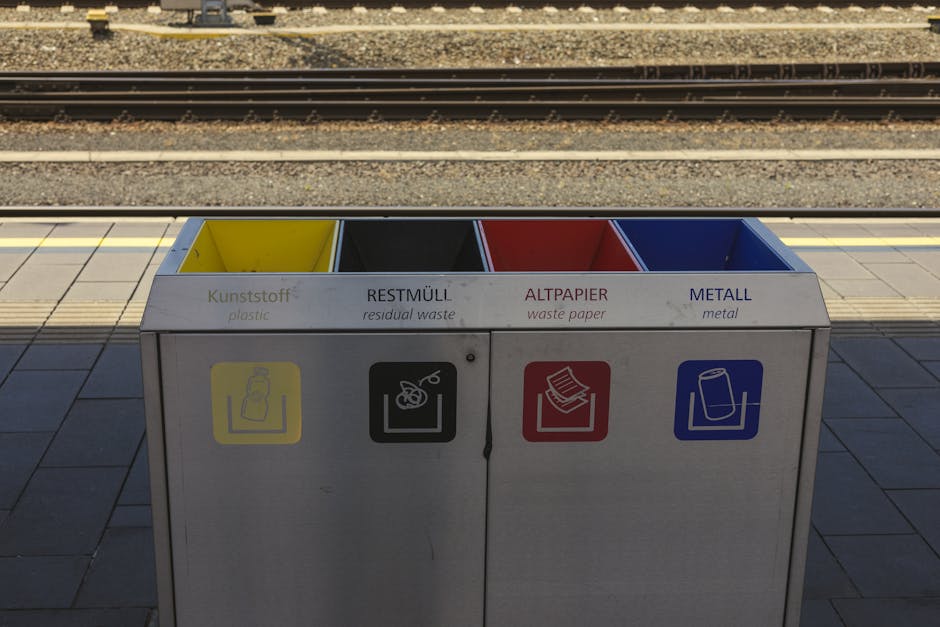
3. Do not mix clean recyclables with general rubbish. Once materials are mixed, recycling becomes much harder. Cardboard, metal, and clean plastics are easiest to keep separate from the start.
4. Plan around weather and travel patterns. Rain changes how people leave waste. So does a delayed train. Small things, but they matter.
5. Use recurring pickups for predictable waste. If your rubbish builds up every Friday, do not treat Friday as a surprise. Set a routine.
6. Keep an eye on bulky items early. One chair, one broken shelf, one mattress. They look harmless until they sit there for three days and start becoming part of the scenery.
7. Build in a quick post-collection check. A two-minute sweep often prevents a second trip later. Worth it, honestly.
When the area is especially busy, services connected to business waste removal or office clearance can help keep things predictable for nearby commercial premises.
Common Mistakes to Avoid
Most waste problems around commuter hubs do not come from one huge failure. They come from lots of small oversights stacking up. That is the frustrating bit.
- Leaving rubbish until it is urgent: once waste is visible to everyone, it is harder to manage calmly.
- Ignoring access issues: narrow entrances, parked cars, and crowded pavements can turn a simple pickup into a slow one.
- Using the wrong collection type: bag-only service is not ideal if you have furniture, mixed debris, or heavy boxes.
- Assuming recyclables can be sorted later: once mixed, they often are not worth separating.
- Forgetting communal areas: stairwells, bin stores, and rear access routes are easy to miss and often where clutter builds up.
- Booking during peak footfall: this is awkward for everyone and can create avoidable disruption.
- Not checking the final site: tiny scraps, tape, and packaging bits can make a space still feel untidy even after major waste is gone.
A common one, especially around stations, is people underestimating how much rubbish a short period can create. A single week of deliveries, takeaways, and move-out leftovers can generate more waste than you expect. The pile sneaks up on you. It really does.
Tools, Resources and Recommendations
You do not need a complicated toolkit to keep station-side rubbish under control, but a few sensible items help a lot.
- Heavy-duty rubbish sacks: useful for mixed household waste, but do not overfill them.
- Reusable crates or boxes: excellent for separating recyclables, especially cardboard and light packaging.
- Bin liners and labels: simple labels help people put waste in the right place without thinking too hard.
- Gloves and basic handling equipment: helpful when moving sharp, dirty, or awkward items safely.
- Measuring tape: surprisingly handy for bulky items, especially when access is tight.
- Phone photos before pickup: useful if you need to show exactly what needs collecting or confirm access conditions.
For larger clear-outs, it can help to compare related services. home clearance is useful for mixed domestic waste, while builders waste clearance can suit renovation-related debris if the rubbish comes from refurbishments rather than everyday commuter use. If the issue is mainly storage overflow, garage clearance or loft clearance may be the right fit.
And for readers who are trying to make the whole process less wasteful, the company's recycling and sustainability approach is worth reviewing before you book anything. A cleaner site is good. A cleaner site with less landfill waste is better.
Law, Compliance, Standards, or Best Practice
Waste removal around Clapham South should always follow sensible UK best practice, even if you are only dealing with a small amount. You do not need to become a waste law expert overnight, but a few basics matter.
Duty of care is the key idea. In plain English, waste should be stored, handed over, and transported responsibly so it does not become someone else's problem in an unsafe or illegal way. If rubbish includes items from a home, flat, or business, it should be given to a legitimate collector who can handle it properly.
It is also wise to separate general waste from recyclable materials where possible, and to avoid leaving items on public land unless collection has been arranged. In local areas with busy pavements, shared frontages, or narrow access, poor placement can cause obstruction and, in some cases, complaints from neighbours or building managers.
For commercial or shared-building waste, health and safety best practice matters too. Keep routes clear, avoid lifting items that are too heavy for one person, and make sure waste handling does not block exits or common access points. That part sounds obvious. Still, people skip it.
If you want a provider with a clearer view of service standards and safety, it is sensible to review pages such as health and safety policy and insurance and safety. For pricing transparency, pricing and quotes is a practical place to start.
For local readers dealing with move-outs, it is also worth remembering that tenancy clean-up expectations, landlord requirements, and building rules can shape how and when rubbish should be removed. If in doubt, check the site rules first. Saves grief later.
Options, Methods, or Comparison Table
There is no single best method for every commuter-side rubbish problem. The right choice depends on volume, timing, access, and how quickly the waste needs to disappear.
| Method | Best for | Advantages | Limitations |
|---|---|---|---|
| Routine bagged pickup | Light daily waste and packaging | Simple, predictable, low disruption | Not suitable for bulky or heavy items |
| Mixed waste removal | Homes, flats, and small business clear-outs | Flexible and convenient | Needs good sorting and access |
| Furniture or bulky item pickup | Chairs, tables, mattresses, broken storage | Fast way to clear awkward items | May need more space and planning |
| Full clearance service | Move-outs, end-of-tenancy, office resets | Thorough, time-saving, less hassle | Usually more involved than a simple collection |
For commuters who only need occasional help, a simple pickup may be enough. For flats near the station, a broader clearance often works better because the waste problem is rarely just one item. It is usually a little cluster of things all at once. The classic box-then-bag-then-chair situation.
Case Study or Real-World Example
Consider a realistic Clapham South scenario. A small flat shares a communal entrance a few minutes from the station. Over two weeks, there is a mix of delivery packaging, an old bookcase, a cracked storage box, and several bags left after a tenant move-out. Nothing dramatic, but enough to make the entrance look untidy and slightly stressful every time someone heads out for the train.
The first step is not to panic and stack everything by the door. That usually makes things worse, not better. Instead, the residents separate cardboard, general waste, and the bulky furniture. They check access to the front path and choose an early collection slot before the morning commute begins. The old bookcase and storage box are loaded with a dedicated bulky-item pickup, while the bags are collected separately.
The result is pretty straightforward: the entrance is cleared in one visit, neighbours are not inconvenienced during the rush, and the leftover packaging does not keep spreading through the hall. More importantly, the residents now know the pattern. If packaging starts building up again, they can deal with it before it turns into a weekend headache.
This kind of example shows why commuter-side rubbish pickup works best when it is proactive. Wait too long, and the mess spreads. Handle it early, and the whole process becomes a lot easier. Simple, really.
Practical Checklist
Use this checklist before arranging any pickup near Clapham South station:
- Identify the type of waste: general, recyclable, bulky, or mixed
- Remove anything that can be reused or donated
- Group items by category before collection
- Check access routes, stairs, and parking space
- Choose a pickup time that avoids commuter peaks where possible
- Make sure bags are secure and not overfilled
- Keep sharp or awkward items safely contained
- Take photos if the load is large or unusual
- Confirm whether you need a simple removal or a fuller clearance
- Do a final sweep after collection
Quick takeaway: the cleaner and more sorted the waste is before pickup, the smoother the whole job tends to go. That one change saves more time than people expect.
Conclusion
Clapham South station rubbish pickup solutions for commuters are ultimately about making a busy, practical part of London feel calmer and more manageable. Whether you are clearing a flat, dealing with leftover packaging, or sorting out an awkward bulky item, the best approach is the one that fits the real rhythm of the area. Clean access, sensible timing, and proper waste handling all matter more than most people think.
Do not wait until rubbish becomes part of the scenery. A small, well-timed pickup is usually easier, cheaper, and less annoying than a last-minute scramble. And once the space is clear, you notice the difference immediately. It feels lighter. Easier. A bit less frantic, which counts for a lot on a London commute.
Get a free quote today and see how much you can save.
Frequently Asked Questions
What are Clapham South station rubbish pickup solutions for commuters?
They are practical waste collection options designed to remove rubbish quickly and safely around the station area, especially for commuters, nearby residents, landlords, and local businesses. The aim is to reduce clutter without disrupting the daily flow of people.
Can I arrange rubbish pickup for just one bulky item?
Yes, in many cases a single bulky item can be collected on its own. This is useful for things like chairs, broken shelves, or storage units that are too awkward to leave out with normal waste.
Is it better to book a pickup or handle waste myself?
It depends on volume, access, and timing. A small bag of waste may be easy to move yourself, but if you have multiple bags, heavy items, or tight access near the station, a pickup service is usually far simpler.
How do I know whether I need waste removal or a full clearance?
If the problem is one-off rubbish, waste removal may be enough. If you are clearing a flat, office, or a larger mixed load, a full clearance is often the better choice because it handles more in one go.
What should I do with recyclable items before pickup?
Keep them separate if you can. Cardboard, clean plastics, and metal items are easier to handle when they are not mixed with general rubbish. It makes sorting quicker and usually improves recycling outcomes.
Are commuter-side rubbish pickups expensive?
Prices vary depending on the amount of waste, the type of items, and how easy it is to access the collection point. Smaller, straightforward pickups are usually simpler than larger or awkward clear-outs.
Can rubbish pickup be arranged around busy commuting hours?
Often yes. Early morning or quieter daytime slots are commonly easier to work with than peak travel times. Around a station, timing matters more than people expect.
What happens if waste is left in a communal area too long?
It can start to smell, attract pests, block access, and create friction with neighbours or building managers. Left long enough, it also becomes harder to move because more items get added to the pile.
Do I need to separate furniture from other household waste?
Yes, that is usually sensible. Furniture is bulkier and handled differently from bags of general waste. Separating it early saves time and makes collection more efficient.
How can I prepare for a pickup if I live in a flat near the station?
Clear the route, group the waste, confirm access, and check whether stairs or narrow hallways may affect collection. A few minutes of prep can make a big difference on the day.
What if I am clearing waste after moving out?
That is a very common reason to book a pickup. Move-outs often create mixed waste, cardboard, small furniture, and items that were forgotten until the last minute. A structured clearance usually works best.
Is it worth reviewing a provider's policies before booking?
Yes. Looking at safety, insurance, pricing, and sustainability information gives you a better sense of how the service operates and what standards it follows. It is one of those small checks that can save trouble later.